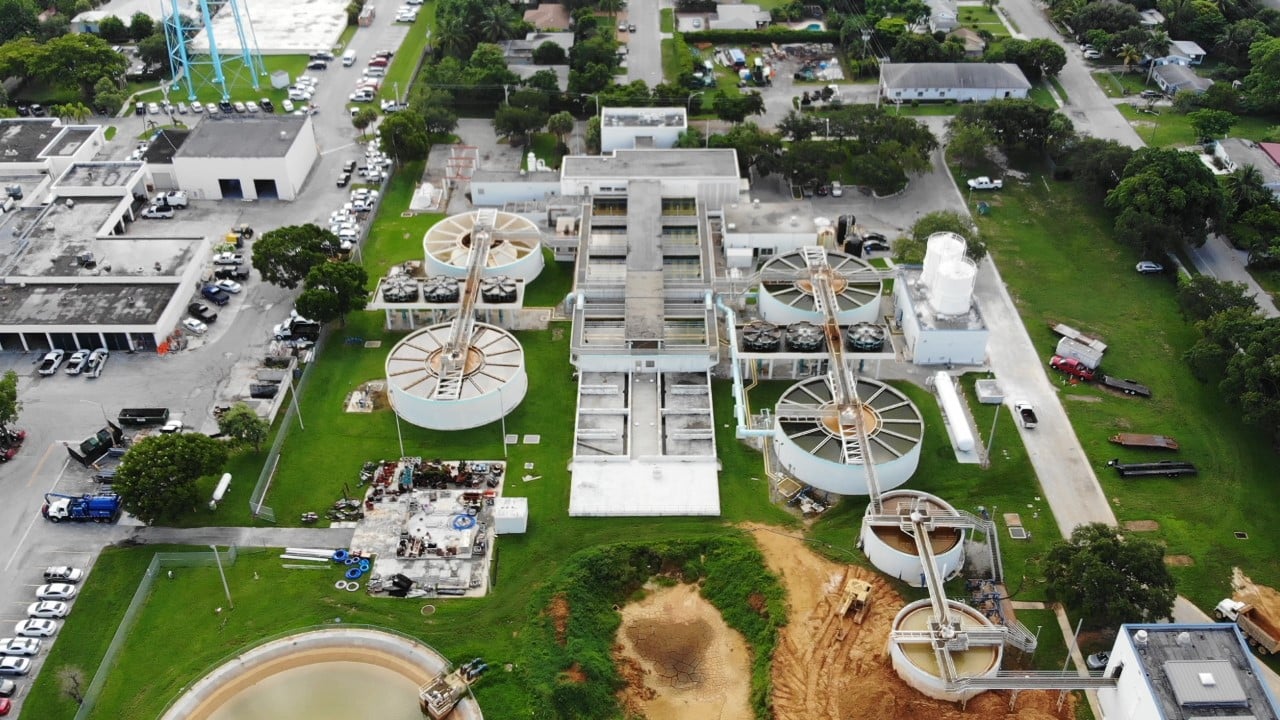
Delray Beach's New Water Treatment Plant: What Homeowners Should Know
Delray Beach Geoff Braboy September 14, 2026
Delray Beach Geoff Braboy September 14, 2026
For a city experiencing continued investment, redevelopment and demand for real estate, some of Delray Beach's most important projects are the ones most residents rarely see. Delray Beach is replacing its aging water treatment facility with a new nanofiltration plant in what the City has called the largest infrastructure project in its history. The total project is estimated at approximately $287 million, or nearly $300 million, and construction is underway.
For homeowners, the project is about much more than a new municipal building. It affects how Delray Beach treats its drinking water, how the city prepares for stricter water quality standards, how much residents pay for water and sewer service, and how the city's infrastructure keeps pace with the community around it.
Delray Beach's existing plant uses conventional lime softening technology and has been operating for decades. A city assessment found that much of the existing infrastructure had reached the end of its useful life. At the same time, federal drinking water regulations have become more demanding, particularly when it comes to PFAS chemicals. Rather than continue making major investments in an aging system, the City is moving toward an entirely new membrane based treatment plant.
The current project calls for a 22-million-gallon-per-day nanofiltration plant, with the ability to expand to 25 million gallons per day. The work also includes six new water supply wells, rehabilitation of existing wells and other improvements to the utility system. The City's stated goals include better water treatment, improved monitoring and control systems, improved water pressure and the ability to meet current and coming drinking water requirements.
Nanofiltration is one of the biggest changes that is coming to this water treatment plan. Instead of relying primarily on the traditional lime softening process, the new plant will use high pressure membranes to separate unwanted substances from the water. According to the EPA, nanofiltration can remove hardness, certain organic chemicals, color and odor compounds and other contaminants. High pressure membrane systems such as nanofiltration and reverse osmosis have also been shown to be highly effective at reducing a wide range of PFAS compounds.
In simple terms, water is forced through very fine membranes that allow treated water to pass through while blocking many substances the plant is designed to remove. For Delray Beach residents, this represents a major change in the way the city's drinking water will be treated.
PFAS, short for per and polyfluoroalkyl substances, has become a major issue for drinking water utilities across the country. In 2024, the EPA established the first national drinking water limits for several PFAS chemicals, including a maximum contaminant level of 4 parts per trillion for PFOA and PFOS. The federal requirements have played a role in Delray Beach's decision to change the design of its new treatment plant.
Federal implementation dates are still being adjusted. As of August 2026, the EPA is considering a rule that would allow qualifying water systems to request additional time, potentially until 2031, to comply with the PFOA and PFOS limits. Importantly, the EPA's proposal would retain the actual federal limits for those two chemicals. Delray Beach, however, is already building the treatment infrastructure intended to address these stricter standards.
This is significant because the useful life of a water treatment plant is measured in decades. The city is not simply building for today's regulations, but putting a system in place that is better suited to changing water quality requirements over time.
The April 2026 City progress report lists the design build estimate at approximately $287 million. The City has publicly described the overall investment as nearly $300 million. In May 2025, the City Commission approved increases to water and sewer rates, which went into effect on October 1, 2025. The City specifically states that the higher rates will help pay for the new water treatment plant, although officials continue to look at other funding sources to offset costs.
For homeowners, especially those with larger properties, pools or significant irrigation use, water consumption is worth watching. Delray Beach uses tiered residential water pricing, meaning the rate per 1,000 gallons increases as consumption rises. Current inside city rates, for example, range from $2.61 per 1,000 gallons in the first residential usage tier to $10.44 per 1,000 gallons above 50,000 gallons per month. That makes water efficiency increasingly relevant for larger homes and heavily landscaped properties.
Sometime around Fall of 2028 is when this project is set to be completed. There is a small difference between the City's published schedules. The dedicated project website currently lists a projected completion date of August 2028, while the City's April 2026 construction progress report lists October 2028. Large infrastructure schedules can change, so homeowners should treat 2028 as the current target rather than relying on a specific month. Construction activity is already underway, including work associated with deep injection wells supporting the new facility. The project website states that this portion of the work began in December 2025.
It would be a stretch to say that a new water plant by itself will raise property values. Real estate values are influenced by far too many factors for that kind of direct claim. Buyers evaluating a home are not only buying the house. They are buying into the city surrounding it, including roads, drainage, utilities, beaches, public spaces and basic services.
For Delray Beach, replacing an aging water plant before it becomes a larger problem is a meaningful investment in the city's long term function. That is particularly relevant as Delray continues to see luxury residential construction, redevelopment and significant investment throughout East Delray Beach and the downtown area. A growing and increasingly valuable housing market requires the less visible infrastructure underneath it to keep up. For buyers, another practical point is to verify the property's actual water provider. Properties with a Delray Beach mailing address are not necessarily billed identically, and the City maintains separate rates for customers inside and outside city limits. For sellers, the project is another example of the substantial public investment occurring alongside the private investment visible throughout Delray Beach.
The new water treatment plant is separate from Delray Beach's decision to stop adding fluoride to its municipal drinking water. The City discontinued water fluoridation on July 1, 2025, in response to a change in Florida law. The City said at the time that its drinking water continued to meet or exceed applicable federal and state water quality standards. That policy change should not be confused with the construction of the new treatment plant or its nanofiltration system.
The new Delray Beach water treatment plant is one of those projects that may receive less attention than a new restaurant, condominium development or downtown project, but its impact could be far more lasting. The city is spending nearly $300 million to replace aging infrastructure, install nanofiltration technology, address increasingly strict drinking water standards and improve the reliability of a system every home and business depends on.
Homeowners will help pay for that investment through utility rates, and construction will continue for the next several years. But when the new facility comes online in 2028, Delray Beach should have a substantially newer water treatment system built for the needs and regulatory standards of the decades ahead. For a city where billions of dollars are tied up in residential real estate, having the basic infrastructure to support those properties matters just as much as what is being built above ground.
Thinking about buying, selling, or simply learning more about Delray Beach? Explore my Delray Beach neighborhood page for local real estate, homes for sale, market insights, and what makes each area unique. Click this link to learn more, https://sellssouthflorida.com/neighborhoods/delray-beach
-Geoff Braboy
(561)-699-3455
Stay up to date on the latest real estate trends.

Community
A Local Guide to Halloween Events, Trick-or-Treating, Family Activities, Neighborhood Ideas and Adult Halloween Plans Around Delray Beach
New Development
A Look at What is Complete, What is Under Construction, and How Atlantic Crossing is Changing the East End of Downtown Delray Beach
Atlantic Avenue
What "Walkable" Really Means When Buying a Home Near Downtown Delray Beach
Delray Beach
What the Nearly $300 Million Project Means for Water Quality, Utility Bills and Delray Beach's Long-term Infrastructure
Delray Beach
Why Beach Nourishment and Healthy Dunes Matter to the Coastline and the Real Estate Behind It
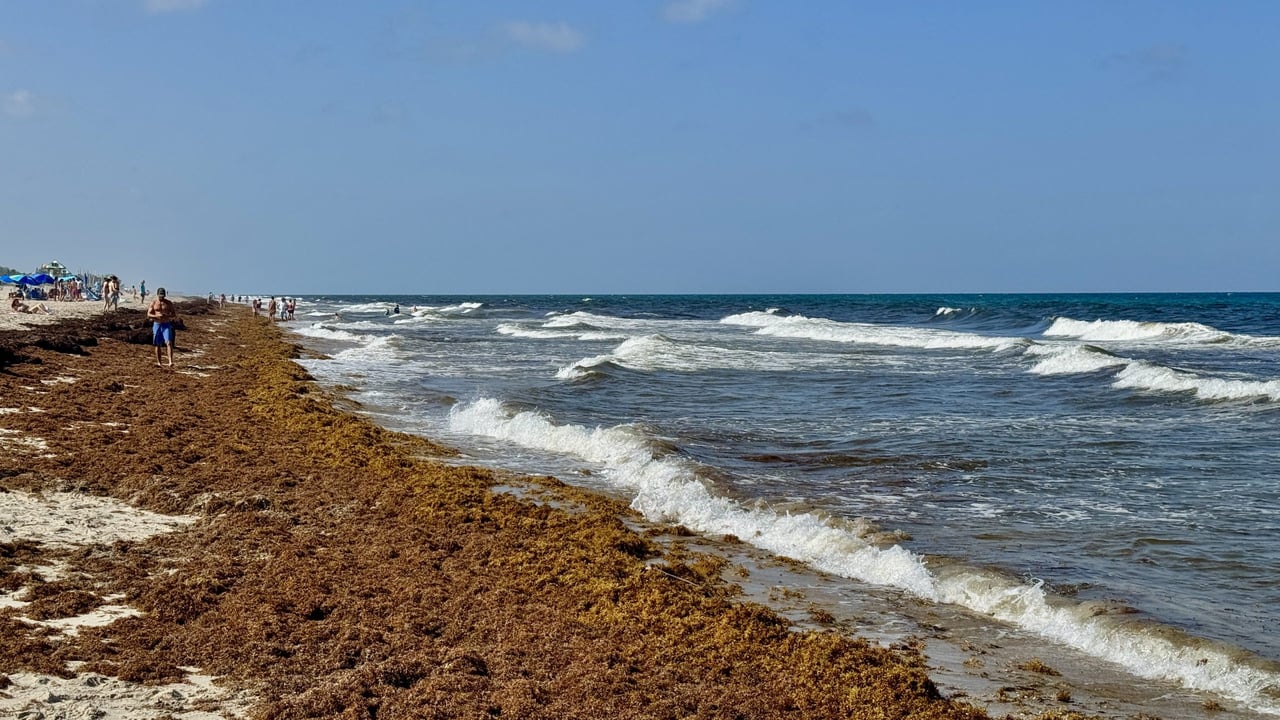
Atlantic Avenue
How Delray Beach's 2026 Sargassum Surge is Affecting the Coast, Beachgoers and Local Tourism
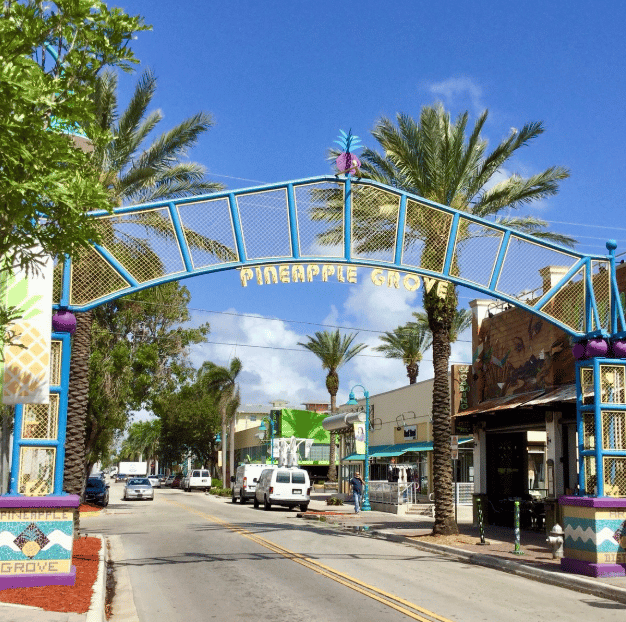
Pineapple Grove
How Pineapple Grove Became a Center for Art, Dining, Walkability, and Desirable Delray Beach Real Estate
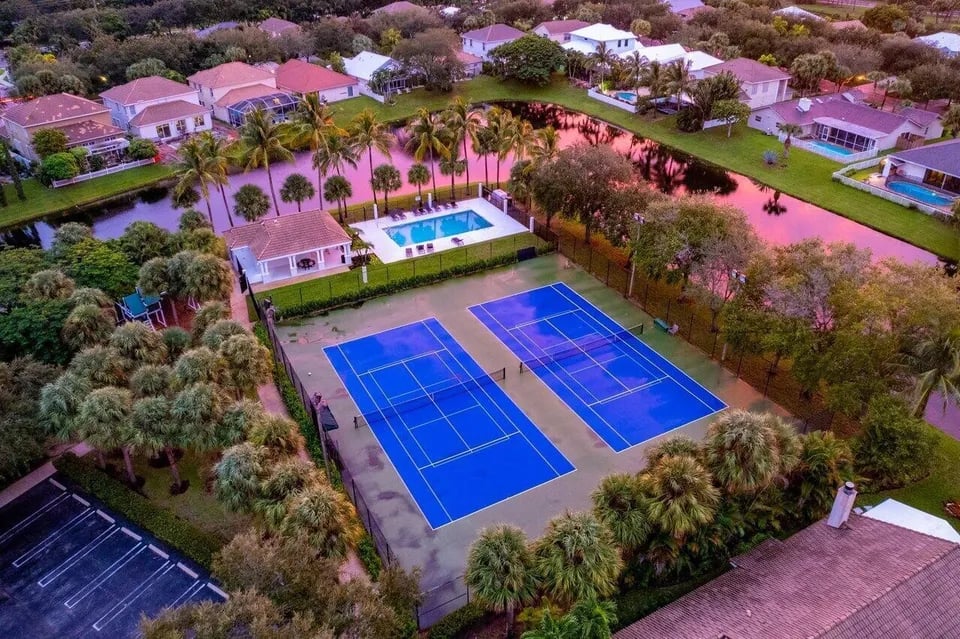
Beach
Gated Living, Lake Ida Access, Strong Value, and a Location Minutes From Downtown Delray Beach Continue to Draw Serious Buyers to this Often Overlooked Neighborhood.
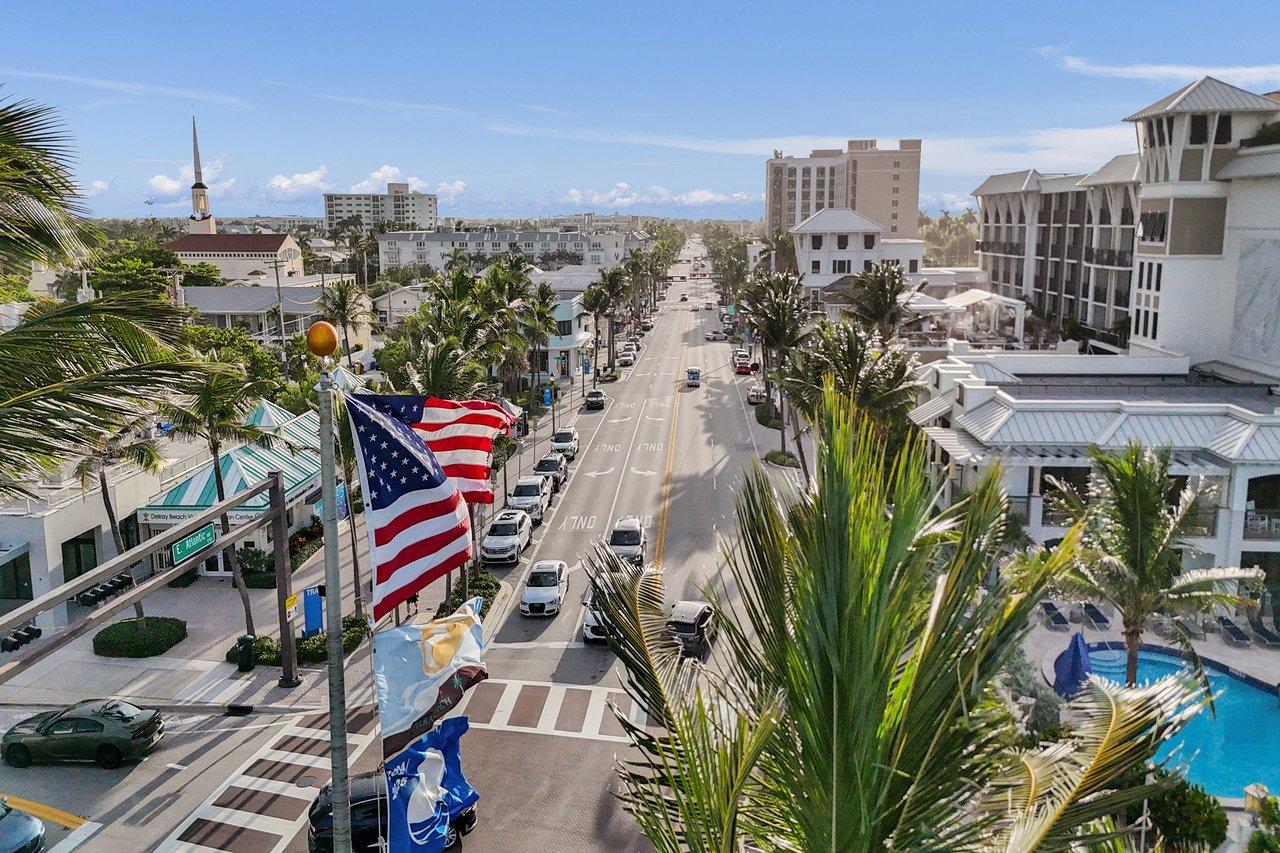
Beach
How Delray Beach Keeps its Close Knit Feel Through Local Traditions, Walkable Neighborhoods, Beachside Routines, and a Downtown That Still Brings People Together
If you're looking for a seasoned, dependable real estate agent in South Palm Beach County, He is your go-to professional. Let him help you navigate the Delray Beach real estate market with confidence.
403 N SWINTON AVE, DELRAY BEACH FL 33444