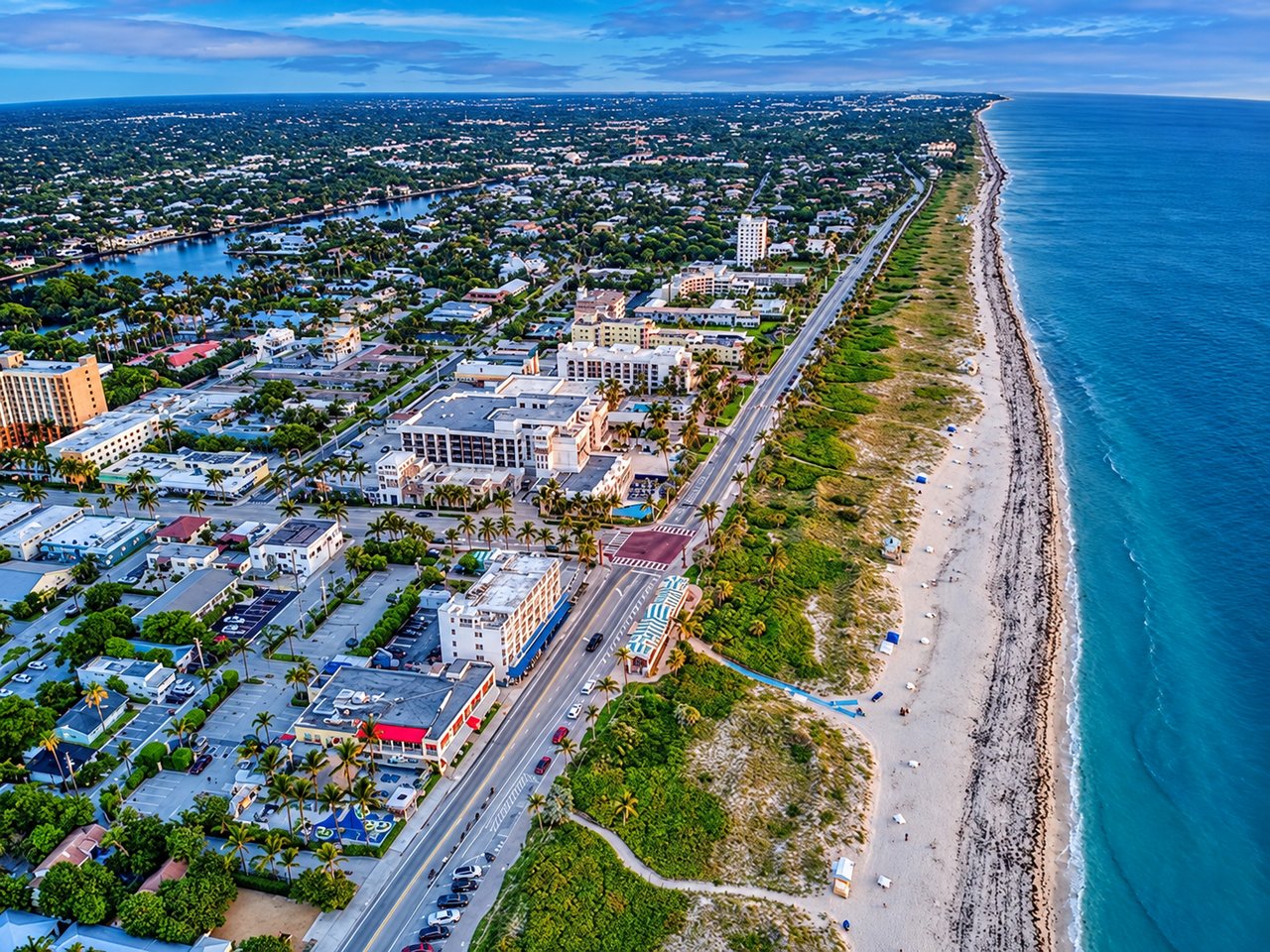
Something Isn't Adding Up in the Housing Market
Mortgage Rates Geoff Braboy October 26, 2026
Mortgage Rates Geoff Braboy October 26, 2026
If you've been following the national real estate headlines, you've probably noticed a common theme: mortgage rates remain elevated, affordability is a major concern, and fewer people are buying homes.
At first glance, you'd expect that combination to produce a fairly predictable outcome. Fewer buyers should mean more homes sitting on the market, more negotiating power for buyers, and eventually, lower prices. But that's not exactly what the data shows.
In September 2026, Palm Beach County recorded fewer home sales than a year earlier, yet the median sale price of single-family homes increased. At the same time, the number of properties available for sale actually declined. Here in Delray Beach, some properties are spending months on the market while others are securing contracts within days.
How can all of those things be happening at once?
The answer is that higher interest rates are affecting the housing market, but they're not affecting every buyer, seller, or type of property in the same way. And understanding those differences is far more useful than trying to label the entire market as either good or bad.
According to Freddie Mac, the average 30-year fixed mortgage rate was 7.40% as of October 15, 2026, compared with 6.27% at the same point last year. That may not sound like an enormous change, but consider what it means on a typical purchase.
Let's assume someone is buying a $1 million home with a 20% down payment, financing the remaining $800,000 over 30 years.
And that doesn't include property taxes, insurance, HOA fees, or other ownership expenses.
For many buyers, particularly those moving from a home with a low fixed mortgage rate, this changes the economics of purchasing another property. It can reduce purchasing power, delay moving plans, or cause buyers to reconsider what they're willing to pay.
But if higher rates alone determined home prices, we'd expect to see prices falling fairly consistently across the country. Instead, the National Association of Realtors reported that the national median existing-home sale price reached $417,500 in September, up 1.3% from a year earlier, even as the overall pace of transactions remained subdued. That brings us to the next part of the equation.
One of the most overlooked parts of today's housing market is the supply side. Higher rates affect buyers, but they can also affect existing homeowners who might otherwise sell.
Consider someone who purchased or refinanced their Delray Beach home several years ago and secured a mortgage rate below 3.5%. Even if that homeowner has substantial equity and would like to purchase a different property, replacing their existing mortgage with a new loan at today's rates can be expensive. If there's no pressing reason to move, staying put may be the more attractive financial decision. This phenomenon is commonly called the mortgage rate lock-in effect.
The important point is that a slower market doesn't automatically create more inventory if fewer homeowners are willing to sell. And the latest Palm Beach County numbers illustrate that distinction.
According to September 2026 data published by MIAMI REALTORS + RWorld:
Palm Beach County metric | September 2026 |
|---|---|
Total closed residential sales | 1,914, down 3.3% year over year |
Median single-family sale price | $656,000, up 6.7% |
Median condominium sale price | $310,000, up 3.3% |
Total active inventory | 10,339 listings, down 17.2% |
All-cash transactions | 51.4% of closed sales |
Sales are currently down, prices, as measured by the median, are up, and the number of homes available to purchase is down significantly. Nationally, the story is different in one important respect: housing inventory increased 4.6% year over year in September, reaching 1.60 million homes.
So while the country as a whole has more homes available, Palm Beach County has fewer. That's one reason national headlines can be misleading when applied directly to our local real estate market. It doesn't mean that property values are guaranteed to rise, nor does a higher median sale price prove that every home has appreciated. Changes in the mix of properties sold can affect median prices. What it tells us is that the number of people buying homes and the prices those buyers are paying do not always move in the same direction.
In September, 51.4% of residential sales in Palm Beach County were cash purchases, according to MIAMI REALTORS + RWorld. For comparison, the same report cites a national cash-buyer share of approximately 27%.
The local breakdown is also interesting:
This matters because a cash buyer experiences higher mortgage rates very differently from someone borrowing 80% of the purchase price. A cash buyer still cares about the cost of capital, the potential return on other investments, and the ongoing expense of ownership. But their monthly payment isn't directly determined by the prevailing mortgage rate. That helps explain why portions of the South Florida housing market can remain active even when financing conditions become less favorable.
Palm Beach County's upper-end market also continues to record major transactions. According to MIAMI REALTORS + RWorld, the county recorded 179 residential sales of $10 million or more through October 14, already a new annual record. Of course, those transactions don't tell us what a typical home in Delray Beach is worth. They show that buyers at different price points can be operating under substantially different financial conditions. For sellers, this reinforces the importance of understanding who the likely buyer is for a particular property. For buyers, it helps explain why certain homes may still attract strong competition despite the broader slowdown.
According to Redfin's September 2026 housing report for Delray Beach:
Delray Beach metric | September 2026 |
|---|---|
Median sale price, all property types | $474,774 |
Median price change year over year | +10.4% |
Homes sold | 297, down 15.0% |
Typical time on market | Approximately 74 days |
Sale-to-list price ratio | 95.0% |
Listings with price reductions | 28.1% |
Again, the numbers don't all point in the same direction. The city's median sale price increased compared with last year, yet fewer homes sold, and more than one in four listings had a price reduction.
One particularly important distinction: a 10.4% increase in the citywide median sale price does not mean that an individual Delray Beach home increased in value by 10.4%. The median is simply the midpoint of the properties that sold. If the mix of sales shifts toward more expensive homes, the median can rise without every individual property gaining value. The citywide data also combines a broad range of real estate, including condominiums, townhomes, single-family homes, and very different price points.
For example, the factors influencing a waterfront property near the Intracoastal Waterway may have little in common with those affecting a condominium west of Interstate 95. That's why I pay considerably more attention to recent comparable sales, current competing inventory, and activity within a specific neighborhood than I do to any single citywide statistic.
Working directly with buyers and sellers gives us another view of the market, beyond the monthly statistics.
Two recent transactions illustrate why the details matter. At 583 Canoe Point, Delray Lakes, we brought this updated lakefront home to market on June 23, 2026, at $995,000. It went under contract nine days later and closed on August 7 for $975,000. The property offered a renovated kitchen, updated bathrooms, a 2023 roof, and a private pool overlooking the lake. Buyers were responding to a specific combination of location, condition, updates, and price. The home did not need an extended marketing period to find a buyer, despite the broader challenges facing the housing market.
654 Pine Lake Drive, Seagate Country Club is another example of what we are currently seeing in East Delray Beach. After previously being marketed at higher asking prices, the home returned to the market in July at $1,995,000. It secured a contract the following day and ultimately closed in August for $1,925,000. A one-day contract is notable, but the earlier listing history is just as important. It shows why simply looking at the days on market for the most recent listing doesn't always tell the full story. Buyers had opportunities to evaluate the property at earlier prices. When the home returned to market at a different asking price, the response was immediate.
These two transactions aren't proof that every East Delray home will sell quickly. They're examples of a principle I've seen repeatedly: buyer demand is still present, but buyers are increasingly selective about where they see value. The difference between a home that sells promptly and one that sits isn't always the overall market. Sometimes it's the relationship between the property, its competition, and its asking price.
Even within Palm Beach County, the distinction between single-family homes and condominiums is significant. In September, the county had approximately 3.6 months of single-family inventory compared with 6.8 months of condominium inventory. Months of inventory estimates how long it would take to sell the existing supply at the current sales pace, assuming no new listings.
Generally, lower inventory means less choice for buyers, while higher inventory gives buyers more opportunities to compare properties and negotiate. But even those numbers are countywide averages. A renovated oceanfront condominium in Highland Beach competes with a different collection of properties than an older condominium facing major building repairs or increased association assessments.
Likewise, new construction in Downtown Delray Beach, an established residence in Lake Ida, and a waterfront home in Tropic Isle attract buyers with different priorities and budgets. Each of these markets has its own supply, demand, financing considerations, and pricing expectations. This is why a blanket statement such as "it's a buyer's market" or "it's a seller's market" often isn't especially helpful. The better question is, Which market are we talking about, and what is happening within that specific group of competing properties?
The current market offers opportunities, but it's important to understand where those opportunities exist. In some segments, buyers have more time to evaluate properties, conduct inspections, review financing options, and negotiate terms than they did during the unusually competitive years of 2020 through 2022. But that doesn't mean every seller is under pressure to accept a lower offer.
I would focus on three areas when evaluating a purchase. First, look beyond the asking price. Review the full listing history, any prior price reductions, recent comparable sales, and how long similar properties have been available. A listing that appears to have been on the market for two weeks may have been marketed previously at a different price. Second, calculate the complete cost of ownership. In South Florida, homeowners insurance, flood insurance where applicable, property taxes, association fees, and potential special assessments can meaningfully change the economics of a purchase. This is especially important for condominium buyers reviewing building reserves, inspection requirements, and association financials. Third, separate a good buying opportunity from a good negotiating opportunity. A seller who reduces an asking price isn't automatically offering a bargain. The important comparison is the agreed purchase price relative to comparable properties and the home's overall condition.
And I wouldn't base a purchase decision on an assumption that mortgage rates will fall substantially or that refinancing will necessarily be available on favorable terms later. Make sure the purchase makes financial sense under today's conditions.
For sellers, the biggest mistake in a market like this may be relying too heavily on what a neighbor's home sold for during a different market cycle. Buyers today have access to extensive property information, pricing histories, and competing listings. They're comparing not only location and size, but also condition, major system updates, insurance costs, and the work a property may require. This doesn't mean a seller should automatically price below the market. It means establishing a price that can be supported by current sales and current competition, not just previous peak asking prices.
I pay particular attention to which properties are actually going under contract, not simply which properties are being advertised for sale. The distinction matters. Asking prices represent sellers' expectations. Closed sales represent completed transactions. Pending sales can help identify where buyers are willing to act now, although their contract prices generally aren't public until closing.
It is also worth factoring in the cost of waiting. A home that remains unsold for several additional months may require continued insurance, property taxes, maintenance, utilities, and association payments. Those holding costs should be part of the decision when evaluating an offer or considering a pricing adjustment. In a more selective market, a clear strategy from the beginning can make a substantial difference.
For many homeowners, their property is one of their largest financial assets. Knowing how the surrounding market is performing is useful even without immediate plans to move. But don't assume that a national home-price headline, or even a citywide median sale price, accurately represents your property's current value. Instead, pay attention to the homes that compete most directly with yours.
Are similar properties selling? How much negotiating is occurring? Is inventory increasing or decreasing in your neighborhood? Are buyers responding differently to renovated homes compared with those requiring substantial work? Those details provide a much clearer understanding of your property's market position.
So, is something really not adding up? Not exactly, the numbers make more sense once we recognize that the housing market is being influenced by several competing forces at the same time. Mortgage rates are limiting purchasing power for some buyers. Existing homeowners with favorable financing have reasons to stay put. Cash buyers represent an unusually large share of Palm Beach County transactions. And the supply of available homes varies considerably by property type, price point, and neighborhood.
Meanwhile, buyers are becoming more selective, making accurate pricing and property condition increasingly important. There are opportunities for buyers, but not across the board. There is still demand for well-positioned properties, but sellers cannot assume that demand will support any asking price. The most useful question isn't whether the housing market is good or bad. It's whether the conditions within your specific neighborhood and price range support the decision you're considering. That's the part of the market I believe deserves more attention.
If you own a home in East Delray Beach, Highland Beach, Gulf Stream, Ocean Ridge, or the surrounding communities and would like to better understand recent comparable sales and competing inventory, I'm always happy to share what I'm seeing.
-Geoff Braboy
The Premier Group at Compass
(561)-699-3455
Stay up to date on the latest real estate trends.
Mortgage Rates
Mortgage Rates are High, Home Sales are Slowing, but Prices and Inventory Aren't Behaving the Way Many People Expected. Here's What the Latest Numbers Tell Us About De… Read more
Delray Beach
A Closer Look at How Waterfront Access, Lot Size, Renovations, New Construction, Street Location, and Outdoor Living Impact Lake Ida Home Values in Delray Beach

Local
Three of Delray Beach's Most Sought-After Neighborhoods Offer Very Different Versions of the Same East Delray Lifestyle

Community
A Local Guide to Halloween Events, Trick-or-Treating, Family Activities, Neighborhood Ideas and Adult Halloween Plans Around Delray Beach
New Development
A Look at What is Complete, What is Under Construction, and How Atlantic Crossing is Changing the East End of Downtown Delray Beach
Atlantic Avenue
What "Walkable" Really Means When Buying a Home Near Downtown Delray Beach
Delray Beach
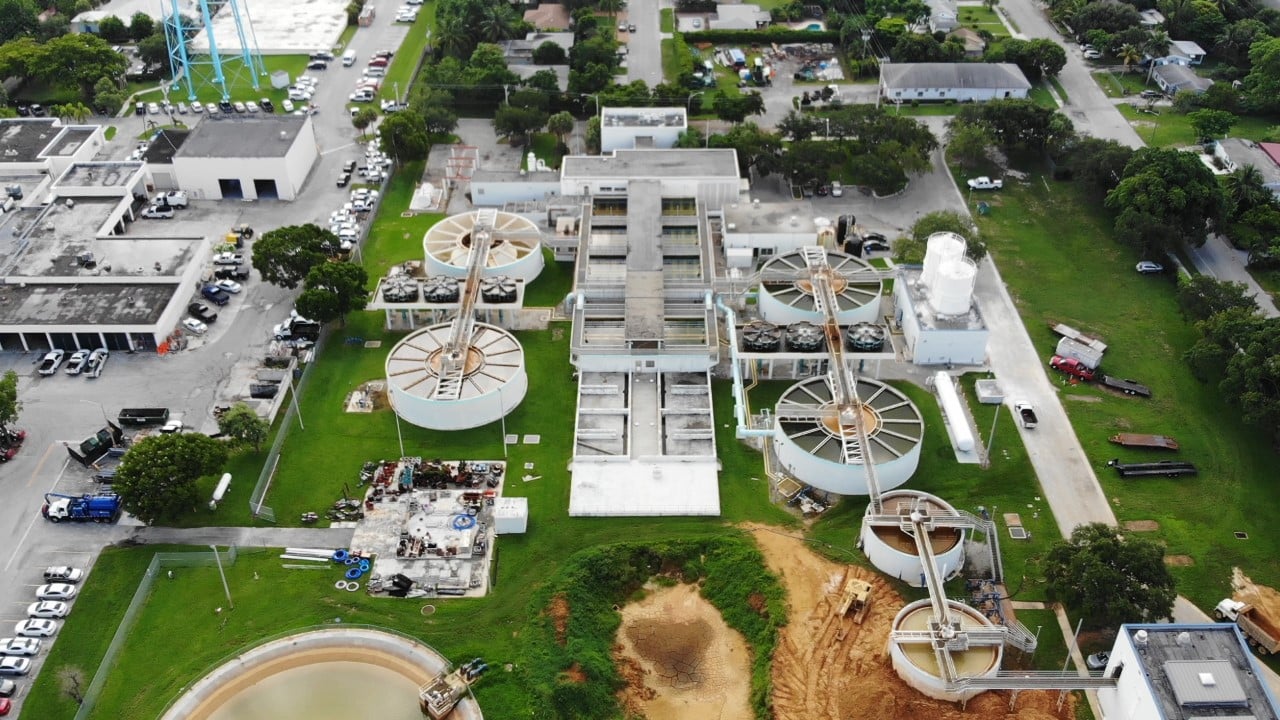
What the Nearly $300 Million Project Means for Water Quality, Utility Bills and Delray Beach's Long-term Infrastructure
Delray Beach
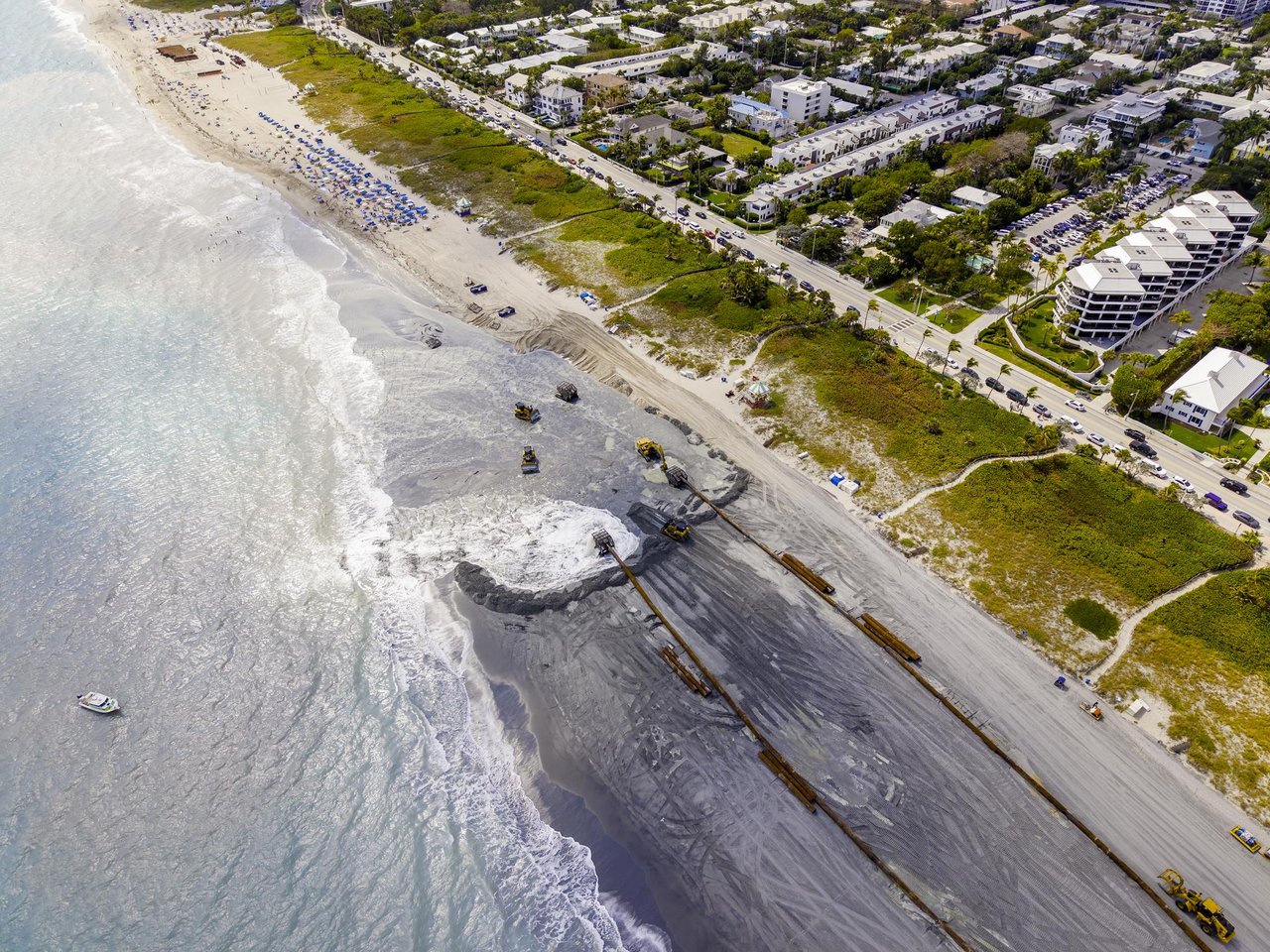
Why Beach Nourishment and Healthy Dunes Matter to the Coastline and the Real Estate Behind It

Atlantic Avenue
How Delray Beach's 2026 Sargassum Surge is Affecting the Coast, Beachgoers and Local Tourism
If you're looking for a seasoned, dependable real estate agent in South Palm Beach County, He is your go-to professional. Let him help you navigate the Delray Beach real estate market with confidence.
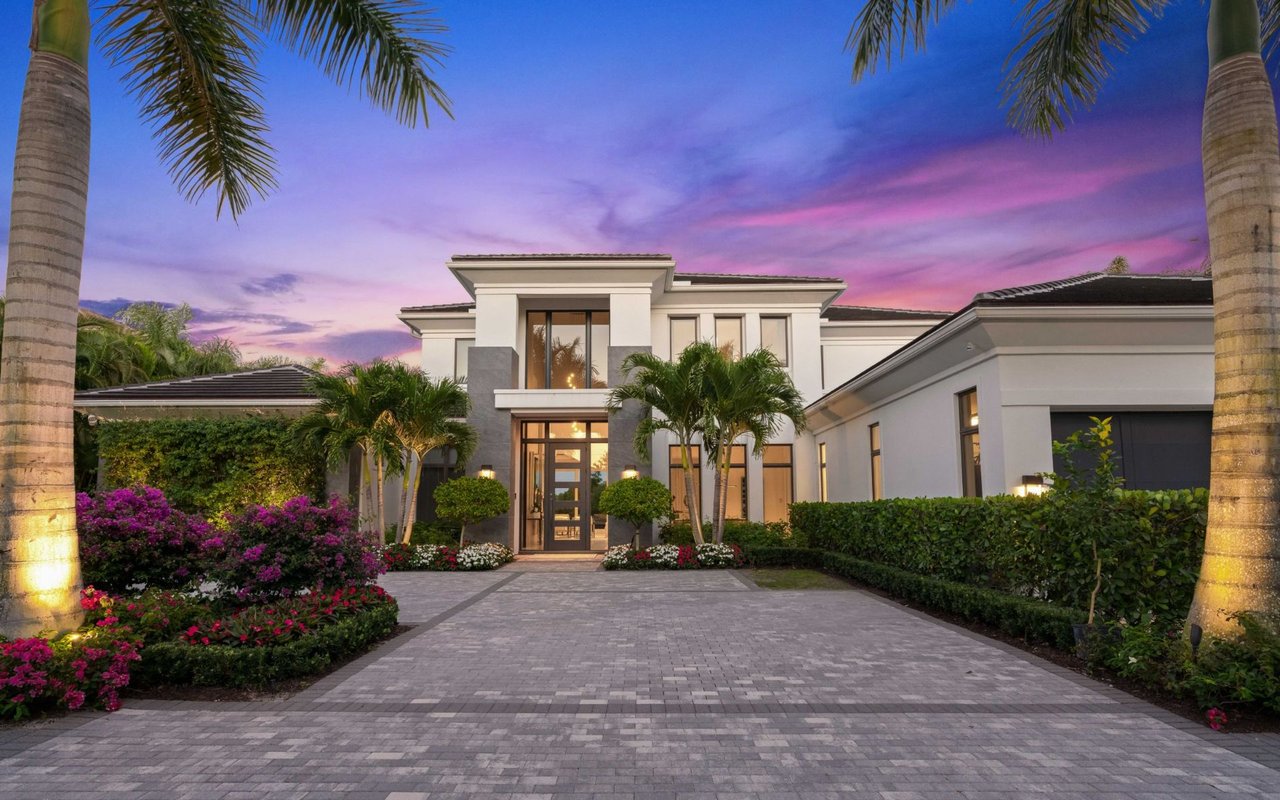
403 N SWINTON AVE, DELRAY BEACH FL 33444