The Sand Protecting Delray's Barrier Island
Delray Beach Geoff Braboy September 7, 2026
Delray Beach Geoff Braboy September 7, 2026
For most people, a wider beach means more room for an umbrella, a morning walk or a day by the ocean. For a homeowner on Delray Beach's barrier island, that extra sand can mean something much bigger. The beach and dune system sitting between the Atlantic Ocean and the homes, condos, hotels and roads along A1A is also a form of coastal protection. And in 2026, Delray made one of its largest investments in that system in decades.
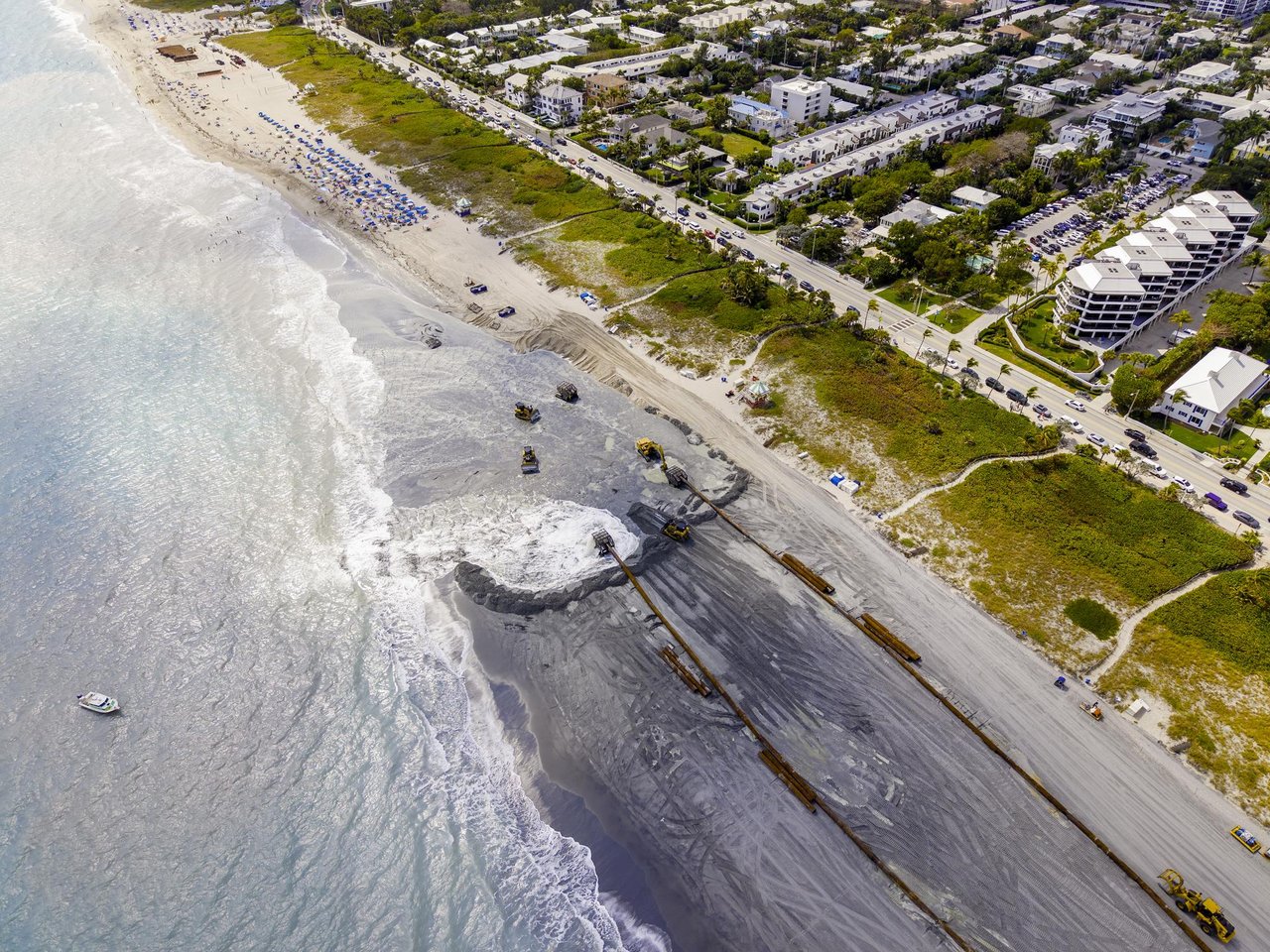
The U.S. Army Corps of Engineers, Palm Beach County and the City of Delray Beach undertook a major nourishment project covering approximately 2.65 miles of shoreline, from just south of Hidden Harbor Drive to south of Atlantic Dunes Park. Approximately 1.3 million cubic yards of sand were planned for the project. For Delray's barrier island, it is infrastructure made of sand.
One of the most interesting details of the 2026 project is how much sand Delray chose to add. The federal portion called for approximately 550,000 cubic yards of sand, funded through federal disaster relief appropriations. Palm Beach County and the City of Delray Beach funded another 750,000 cubic yards specifically to extend the beach farther seaward than the federal construction template required. The project was not limited to repairing storm damage. Local governments chose to build additional width into the beach. The Coastal Star reported that the work was expected to widen portions of Delray's shoreline by roughly 250 feet. The project followed serious erosion associated with the 2022 hurricane season, particularly Hurricanes Ian and Nicole.
Beach nourishment sounds simple. Put more sand on the beach. However, the process is much more extensive than just adding sand. Sand suitable for the existing shoreline is identified offshore. Dredging equipment removes that material and sends a mixture of sand and water through large pipes toward the beach. Heavy equipment then distributes the new sand across the shoreline according to an engineered profile.
Palm Beach County describes nourishment as pumping or trucking sand onto an eroding beach, typically using material from offshore deposits or inlet shoals. The wider beach provides additional recreational space while also creating more distance for waves and storm surge to travel before reaching roads and buildings. In Delray, the city has been doing some version of this for more than half a century. The first federal nourishment project occurred in 1973. Before the latest project, the Army Corps said more than 8.2 million cubic yards of sand had already been placed along Delray's shoreline through previous nourishment and rehabilitation work. That history is important because nourishment is not designed to be permanent. The sand moves and changes over time causing the need for replenishment.
Residents watching the 2026 work unfold saw something that sometimes surprises people after nourishment projects. The finished beach did not immediately look like the beach they were accustomed to. Newly placed sand can initially produce an unusually wide beach with a steep slope near the water. This spring, WPTV reported concerns from Delray residents about steep drop-offs along portions of the newly restored shoreline, including concerns about access to the water. These movements after construction are to be expected.
The Army Corps explains that nourishment projects are intentionally built so waves and normal coastal processes can redistribute sand. A newly constructed beach may initially appear "overbuilt" or steep. Over the following months, waves move some of that material offshore and along the shoreline, gradually producing a more natural beach profile. That means seeing the shoreline move landward after nourishment does not necessarily mean hundreds of thousands of cubic yards of sand have suddenly disappeared. Some of the sand moves underwater, where it can form offshore bars that cause waves to break farther from land. That process helps absorb wave energy before it reaches the upper beach. In other words, part of the protection is sand you cannot see.
The beach receives most of the attention, but the dunes behind it may be even easier to underestimate. Palm Beach County describes dunes as accumulations of wind blown sand held together by salt tolerant vegetation with deep root systems. Those roots stabilize the sand, while vegetation helps capture additional blowing sand over time. Back in the 1920s these dunes were flattened out to make room for the road we call A1A. These destruction of the dunes posed a serious environmental problem however. The dunes are a physical buffer against storms that can break apart wind from hurricanes, or tropical storms making land damage less severe. In other words these dunes protect property located behind them.
Delray has a formal Dune Management Plan covering approximately 1.22 miles of municipal beach. The city manages vegetation within that system to improve dune health, plant diversity and storm resistance. This is why walking across dunes rather than using designated crossings can cause more damage than it appears. Repeated foot traffic can kill vegetation and create low points or weak areas in the dune. Palm Beach County specifically warns that these openings can erode quickly when storm water reaches them. A dune covered in sea oats and sea grapes may look like pretty landscaping, but is a valuable defense system that the ecosystem and city of Delray depends on.
People pay significant premiums to live close to the ocean. The value comes partly from the view and location, but also from access to a usable beach. Researchers have repeatedly found connections between beach width and coastal property values. One widely cited economic study found that wider beaches positively affect coastal property values, with the relationship particularly important for oceanfront properties.
Another study compared Folly Beach with nearby Isle of Palms in South Carolina. Folly Beach experienced major erosion but received repeated nourishment, while Isle of Palms served as the comparison market. Researchers concluded that nourishment helped Folly Beach maintain property value appreciation comparable with the other market despite its erosion problem.
Other research has found that investment in nourishment can become reflected in oceanfront housing prices. One study estimated a price premium of approximately 11.7% to 16.5% for oceanfront homes located along nourished beaches in the market it examined.
That does not mean a Delray oceanfront home suddenly became 15% more valuable because of the 2026 project. There are too many other variables, including the property itself, views, elevation, flood risk, insurance costs, condition, scarcity and the broader market. But the research supports a larger point, buyers place value on the condition and width of the beach, and coastal protection can help support the value of the real estate behind it.
It is tempting to ask how much beach nourishment numerically adds to a home's value. A better question may be to ask, what happens to value if the beach is allowed to steadily disappear?
A wide beach provides recreation and scenery today, but it also creates distance between buildings and wave energy during severe weather. The Army Corps specifically identifies protection of homes, businesses and critical infrastructure as a benefit of Delray's shoreline work. Economic research also suggests that coastal erosion and shrinking beach width can negatively affect housing values. In that sense, nourishment may function less like a home renovation that immediately increases value and more like maintaining the seawall, roof or drainage system.
When buyers compare properties on Delray's barrier island, they naturally focus on the things they can see. What receives far less attention is the public infrastructure supporting that location. For coastal real estate, that includes stormwater systems, roads, seawalls in certain locations, beach management and the health of the dune system. The condition of the beach itself belongs on that list, including the dunes and condition of the sand.
A home may be privately owned, but a significant portion of what makes that home desirable is supported by public investment happening outside the property line. The 2026 nourishment project is a good example. Federal funding covered a major portion of the work, while Delray Beach and Palm Beach County paid for additional sand to create a larger beach than the federal project alone would have provided. For barrier island property owners, that is a public investment occurring directly in front of some of the most valuable real estate in the city.
Beach nourishment is not a permanent fix. The sand will move again, storms such as hurricanes and tropical storms will remove portions of the sand, and waves will move this sand offshore. Future nourishment will eventually be required in Delray Beach again.
The City of Delray Beach conducts regular onshore and offshore surveys to measure beach conditions and evaluate how previous nourishment projects are performing. Those measurements help determine the timing and design of future projects. Construction requires heavy equipment, pipes and temporary beach closures. The newly constructed shoreline can initially be steep. Ecological timing matters because nourishment work and beach maintenance must account for sea turtle nesting and other coastal habitat. The important point is that nourishment should not be viewed as a one time construction project. It is an ongoing coastal management process that must be well-maintained.
For someone buying oceanfront or near ocean property in Delray Beach, the condition of the shoreline deserves more attention than it usually receives. Not because the buyer needs to become a coastal engineer, but because erosion management is part of the long term story of owning real estate next to the Atlantic.
I would want a buyer to understand whether the beach is historically nourished, how frequently major projects have occurred, the condition of the dune system, how the area performed during recent storms and what local, state and federal agencies are doing to maintain the shoreline. Those questions will not replace traditional due diligence such as flood zones, insurance costs and building condition.
There is a tendency to think of Delray's beach as scenery and a tourist attraction. For the barrier island, it is much more than that.
The sand creates recreational space. The dunes provide habitat. Both help absorb waves and storm energy. Together, they protect public roads, private homes and the coastal lifestyle that attracts buyers here in the first place. That makes Delray's nourishment program particularly interesting from a real estate perspective. The city is not simply replacing sand that washed away. It is maintaining one of the physical features that helps make barrier island real estate valuable. And the next time you walk over the dunes and see what feels like an unusually wide stretch of sand between A1A and the Atlantic, it is worth remembering that much of that beach is doing a job.
Thinking about buying, selling, or simply learning more about Delray Beach? Explore my Delray Beach neighborhood page for local real estate, homes for sale, market insights, and what makes each area unique. Click this link to learn more, https://sellssouthflorida.com/neighborhoods/delray-beach
-Geoff Braboy
(561)-699-3455
Stay up to date on the latest real estate trends.

Community
A Local Guide to Halloween Events, Trick-or-Treating, Family Activities, Neighborhood Ideas and Adult Halloween Plans Around Delray Beach
New Development
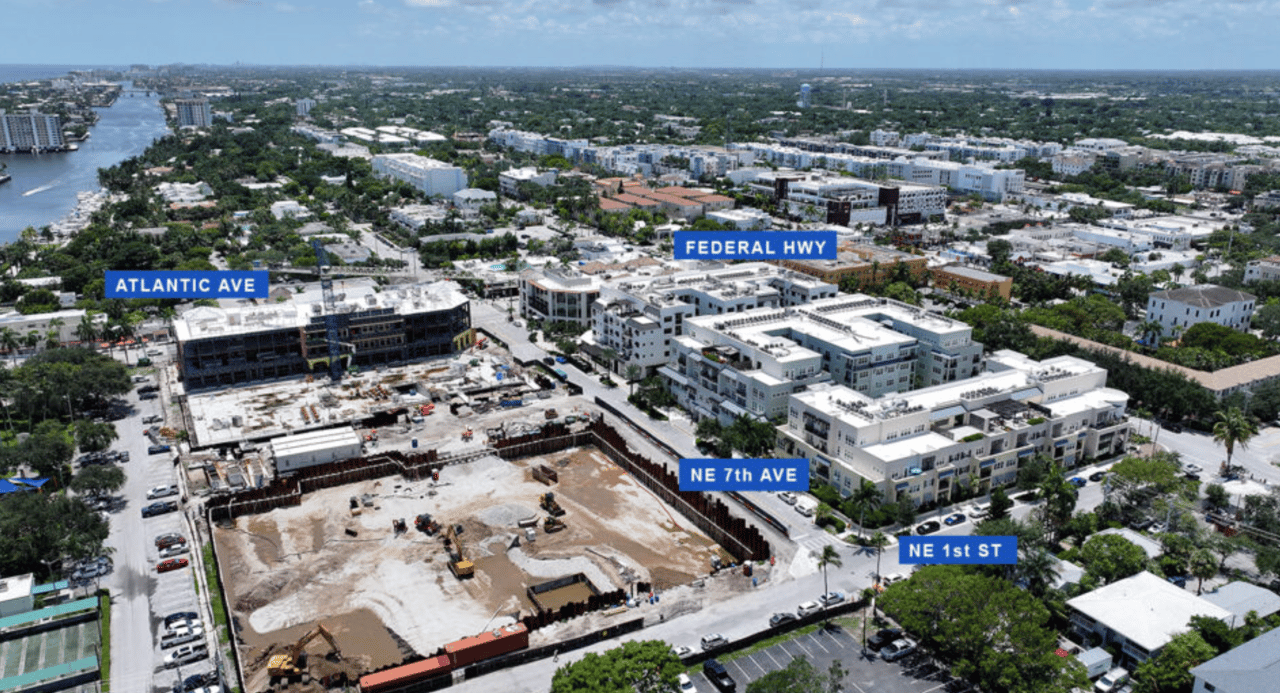
A Look at What is Complete, What is Under Construction, and How Atlantic Crossing is Changing the East End of Downtown Delray Beach
Atlantic Avenue
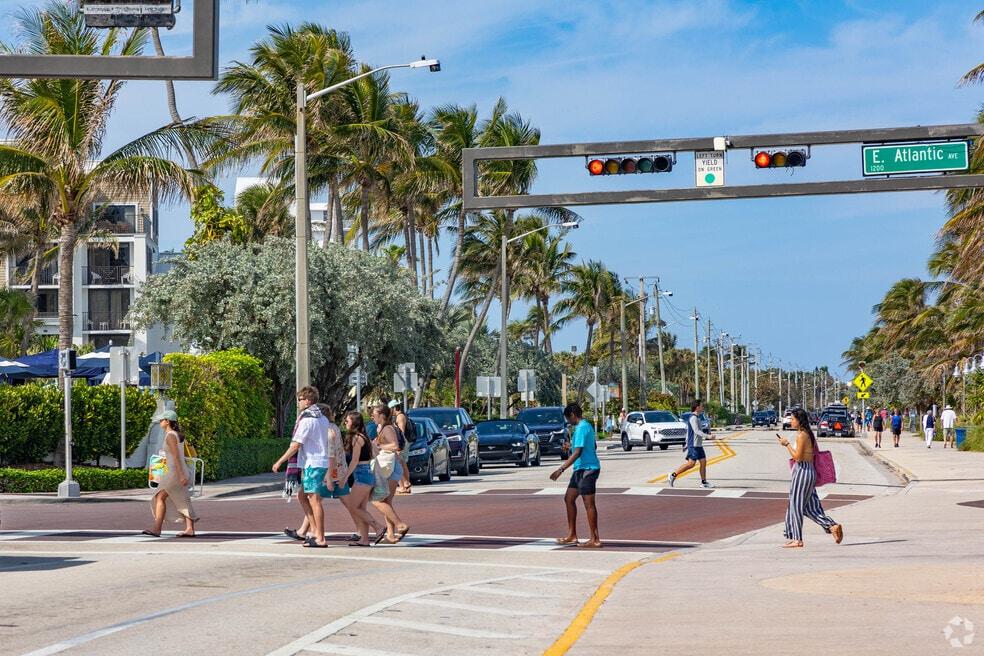
What "Walkable" Really Means When Buying a Home Near Downtown Delray Beach
Delray Beach
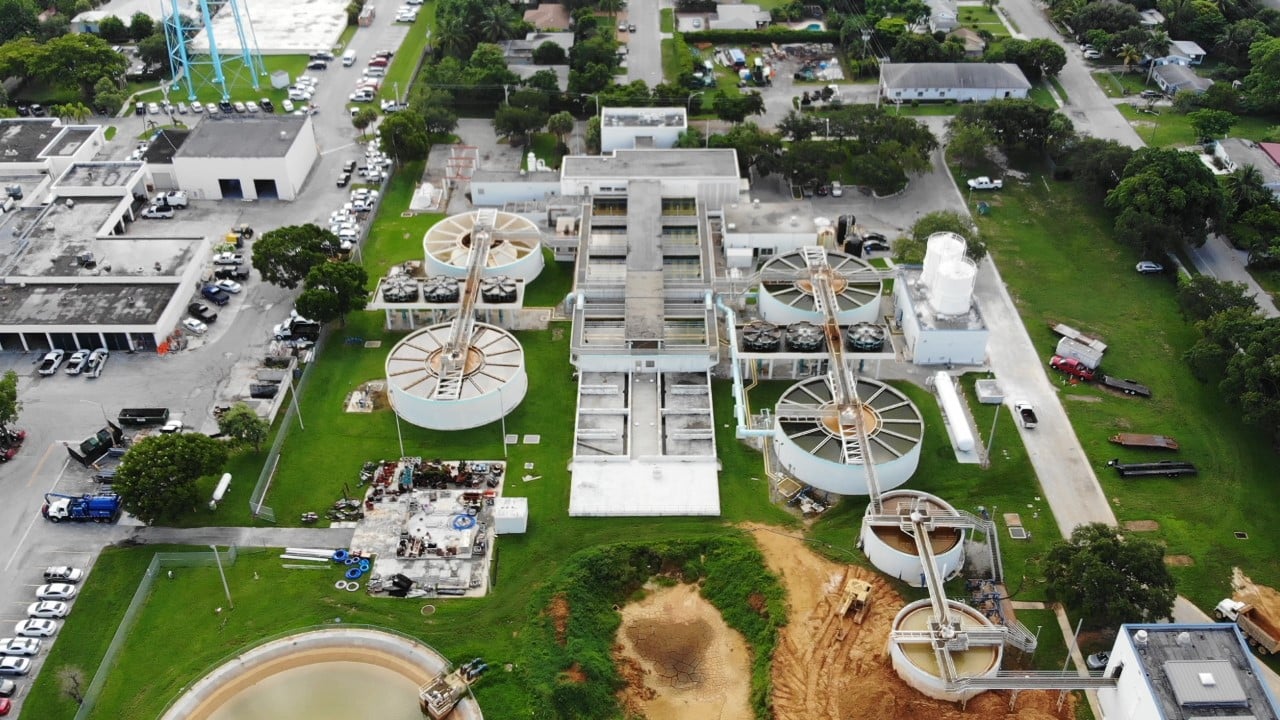
What the Nearly $300 Million Project Means for Water Quality, Utility Bills and Delray Beach's Long-term Infrastructure
Delray Beach
Why Beach Nourishment and Healthy Dunes Matter to the Coastline and the Real Estate Behind It
Atlantic Avenue
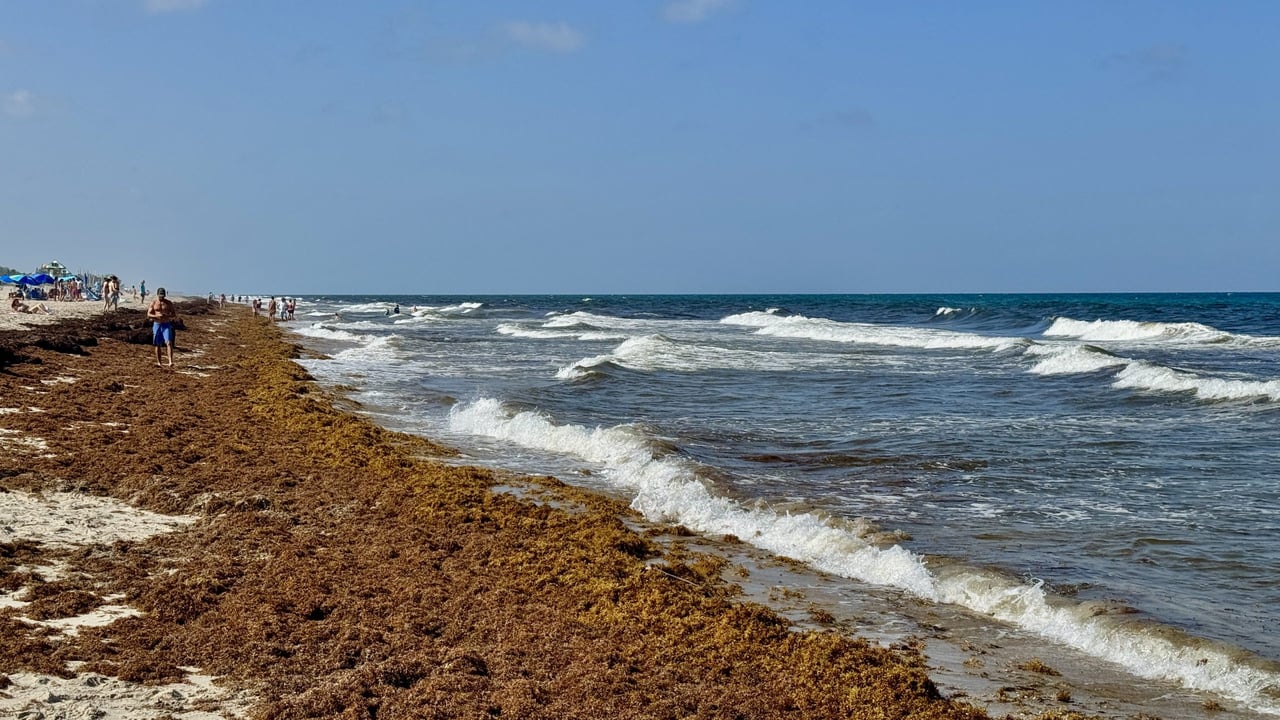
How Delray Beach's 2026 Sargassum Surge is Affecting the Coast, Beachgoers and Local Tourism
Pineapple Grove
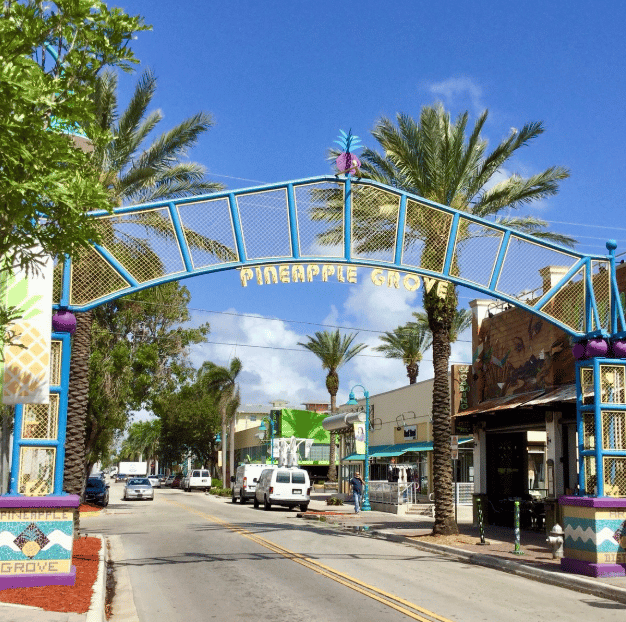
How Pineapple Grove Became a Center for Art, Dining, Walkability, and Desirable Delray Beach Real Estate
Beach
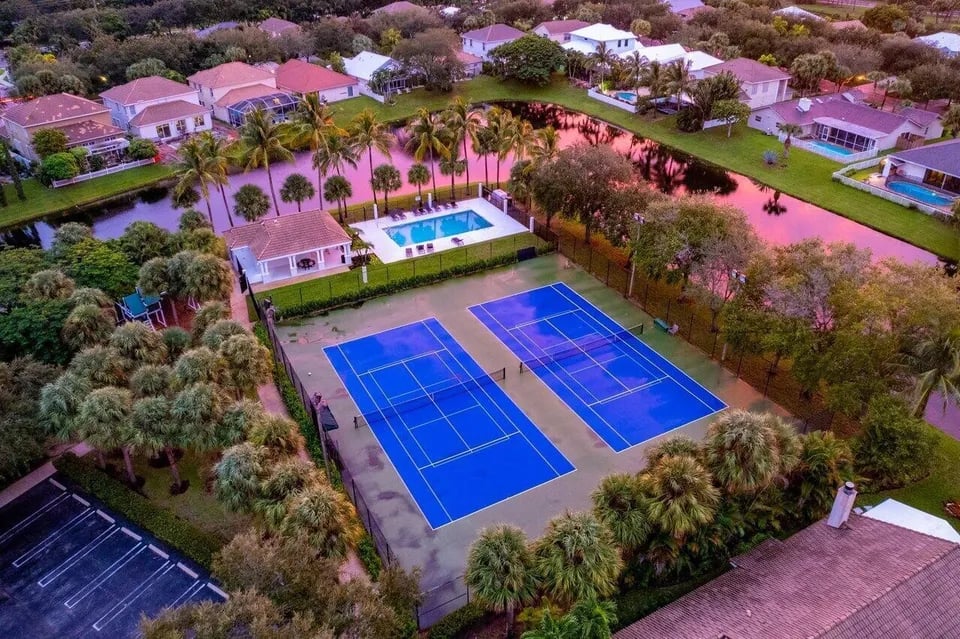
Gated Living, Lake Ida Access, Strong Value, and a Location Minutes From Downtown Delray Beach Continue to Draw Serious Buyers to this Often Overlooked Neighborhood.
Beach
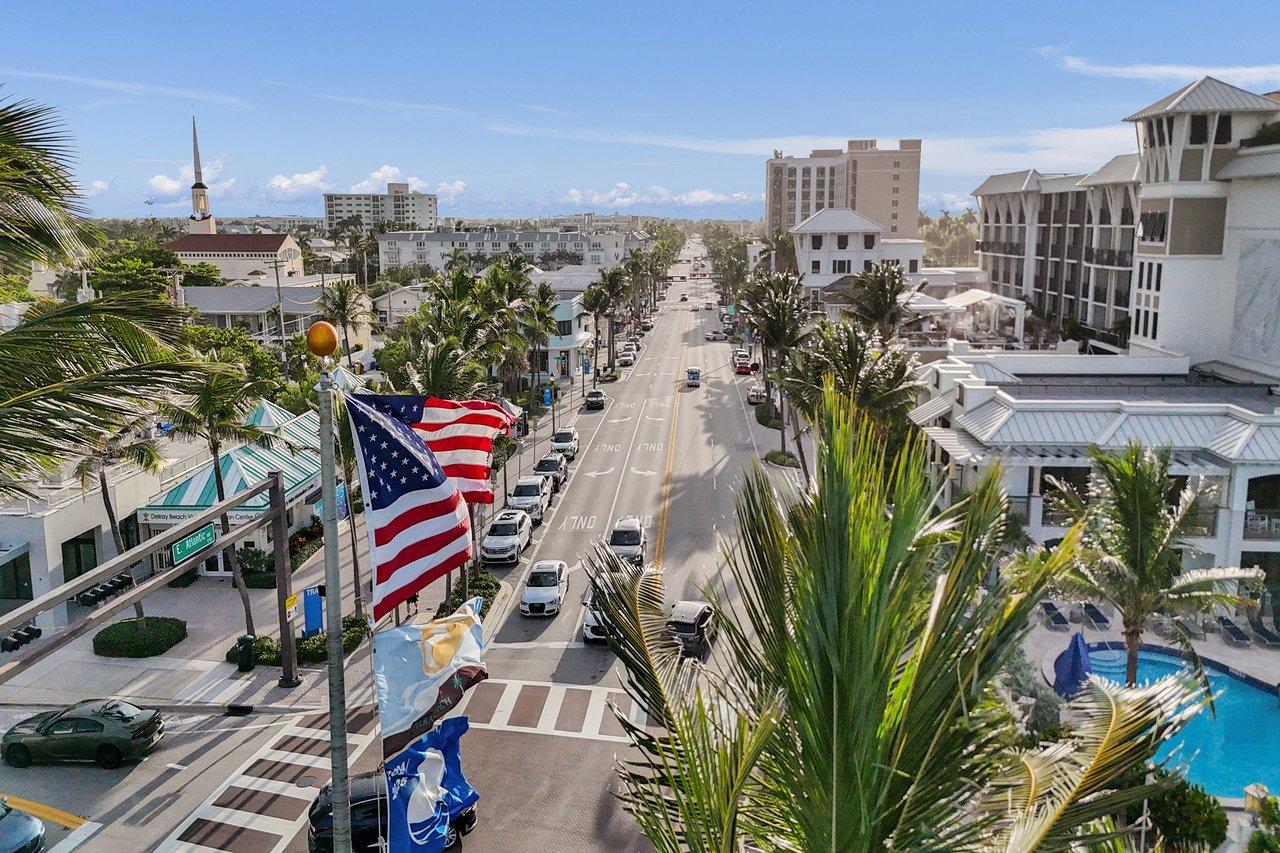
How Delray Beach Keeps its Close Knit Feel Through Local Traditions, Walkable Neighborhoods, Beachside Routines, and a Downtown That Still Brings People Together
If you're looking for a seasoned, dependable real estate agent in South Palm Beach County, He is your go-to professional. Let him help you navigate the Delray Beach real estate market with confidence.
403 N SWINTON AVE, DELRAY BEACH FL 33444