Why Was There So Much Seaweed on Delray Beach This Summer?
Atlantic Avenue Geoff Braboy August 31, 2026
Atlantic Avenue Geoff Braboy August 31, 2026
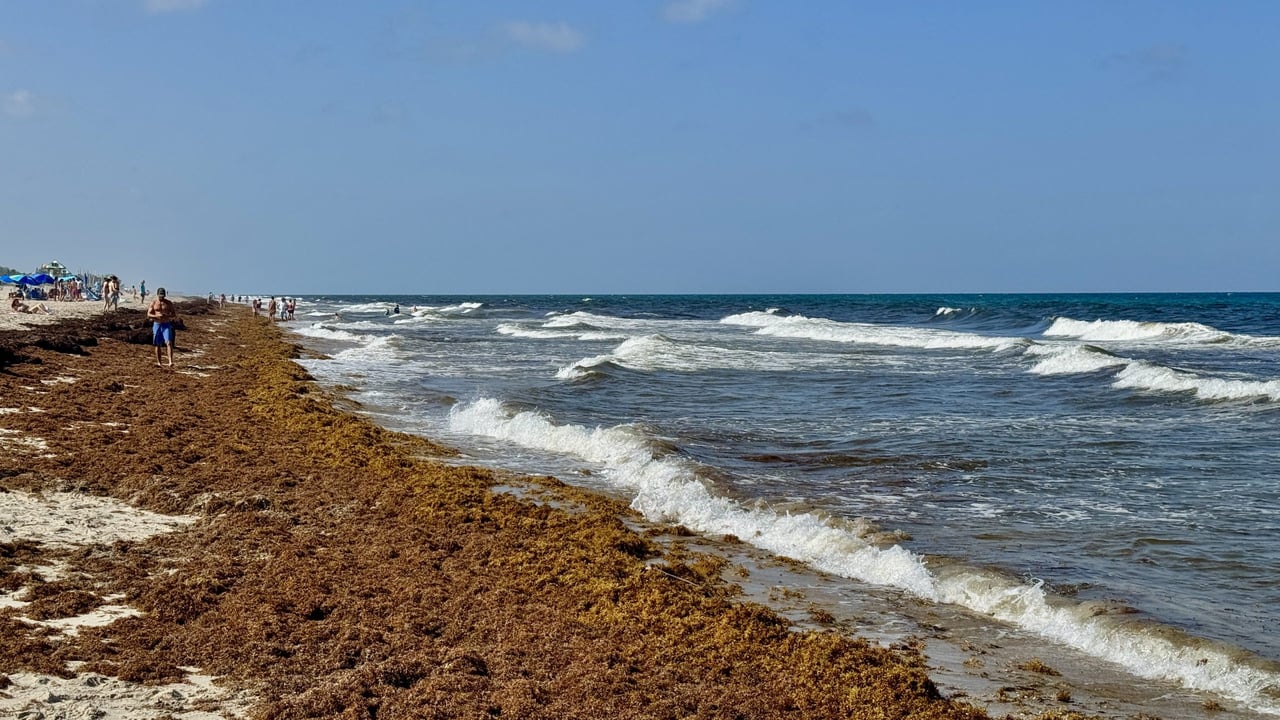
If you spent time on Delray Beach this summer, you probably noticed something that was difficult to miss. Seaweed, a lot of it.
At times, thick bands of brown seaweed collected along the shoreline, floated in the surf and returned seemingly as quickly as conditions improved. And Delray was far from alone. Beaches throughout Palm Beach County, South Florida, the Keys, the Caribbean and Mexico have been dealing with unusually large amounts of the same material throughout 2026.
What we are seeing is called sargassum, and the story behind it stretches thousands of miles across the Atlantic Ocean.
Sargassum is a naturally occurring floating brown algae. Unlike seaweed attached to the ocean floor, sargassum floats freely at the surface, often gathering into large mats. In fact, NOAA considers offshore sargassum important habitat. It provides food, shelter and breeding areas for hundreds of marine species, including juvenile sea turtles, mahi-mahi, amberjack and other fish. In parts of the Atlantic and Gulf, it is formally recognized as Essential Fish Habitat.
The problem begins when enormous quantities of it reach the shoreline at once. That is what South Florida, mainly Delray Beach, has been dealing with this summer.
Researchers at the University of South Florida's Optical Oceanography Laboratory track sargassum across the Atlantic using satellite observations. Their July 2026 report found that the amount of sargassum in the Gulf remained at a record high for the month of July. Other monitored regions were running second only to the historic levels recorded in 2025. USF specifically noted continued beaching events along the southeast coast of Florida.
Reuters reported in early August that USF researchers expect 2026 to rank as at least the second-largest year on record for overall sargassum abundance. This is not simply a few patches of ordinary seaweed washing onto Delray Beach. Delray is sitting downstream from an enormous Atlantic wide system.
Most people associate sargassum with the Sargasso Sea in the North Atlantic. Historically, that was where much of the floating algae was concentrated. However in the year 2011 something changed that has sparked what we are seeing today. A huge population of sargassum became established across the tropical Atlantic. Scientists now refer to it as the Great Atlantic Sargassum Belt, a massive area extending from the waters near West Africa across the tropical Atlantic toward the Caribbean and Gulf. USF estimates that the belt can extend roughly 5,000 miles.
Ocean currents then transport portions of that sargassum westward. Once it reaches the waters around Florida, winds, currents and tides determine whether it stays offshore or ends up on our beaches. These patterns are what ultimately determine the amount that reaches each beach, which explains how Delray managed to gain such mass amounts.
The amount of sargassum on the beach can change dramatically from one day to another. A shift in wind can push offshore mats toward land. Another weather pattern can push them away again. High tides can deposit new material after a beach has already been cleaned. It is why a beach can look relatively clear one morning and dramatically different the following afternoon.
There is no single agreed upon cause as to why so much has bloomed this year.
Like other plants and algae, sargassum needs sunlight, nutrients and favorable water conditions. Scientists are studying how several factors are working together. USF points to nutrient inputs from major rivers including the Amazon and Congo, along with changes in fertilizer use and land conditions, ocean circulation, climate variability and other sources of nutrients. Reuters also cites deep ocean upwelling, Saharan dust, nutrient rich river water and ocean temperature as contributing factors.
So describing Delray's seaweed as simply a result of "warmer water" misses much of what is actually occurring. The more accurate explanation is that the Atlantic now contains an enormous recurring population of sargassum that is being fed, moved and concentrated through a combination of biological, oceanographic and environmental conditions.
For Delray Beach, this matters because the beach is not just a local amenity. It is one of the city's major attractions that draws tourists in. Delray Beach has received the recognition of Best Beach in Florida for three consecutive years. These awards are what drive tourists, as well as new residents to Delray.
The City of Delray Beach says nearly 4.1 million residents and visitors come to its municipal beach. Heavy sargassum can clearly change the experience of visiting the beach. In June, CBS12 reported major accumulations at nearby Ocean Inlet Park in Ocean Ridge and South Inlet Park in Boca Raton. Some beachgoers said they could not comfortably swim due to the mass amounts present.
There is an important distinction present. There does not appear to be reliable public data showing that this summer's sargassum has caused a specific decline in Delray Beach tourism revenue, hotel occupancy or visitor counts. Elsewhere, the economic effects are easier to document. The EPA says severe sargassum events can reduce recreational activity and tourism while increasing cleanup expenses. Reuters reported this summer that some Caribbean hotels have reduced rates and spent millions clearing beaches affected by heavy sargassum.
For Delray, the more interesting question may ultimately be where visitors spend their time when the beach is less appealing. Someone who skips an afternoon in the ocean may still spend the day at a hotel pool, Atlantic Avenue restaurant, shop, spa or another Downtown Delray business. In a city where the beach and downtown are closely connected, sargassum may change visitor behavior without necessarily eliminating the visit altogether. That is a local economic effect worth paying attention to.
Removing sargassum is more complicated than running heavy equipment along the beach. South Florida's sargassum season overlaps with sea turtle nesting season. Delray Beach notes that sea turtle nesting season runs from March 1 through October 31, requiring extra care around marked nests and the dune system.
Nearby Boca Raton provides a good example of the process. Before beach cleaning equipment is used, staff from Gumbo Limbo Nature Center inspect the beach for new nests and hatchlings. Cleaning equipment is restricted in certain portions of the beach, and another tide can bring new sargassum ashore after crews have already worked that morning.
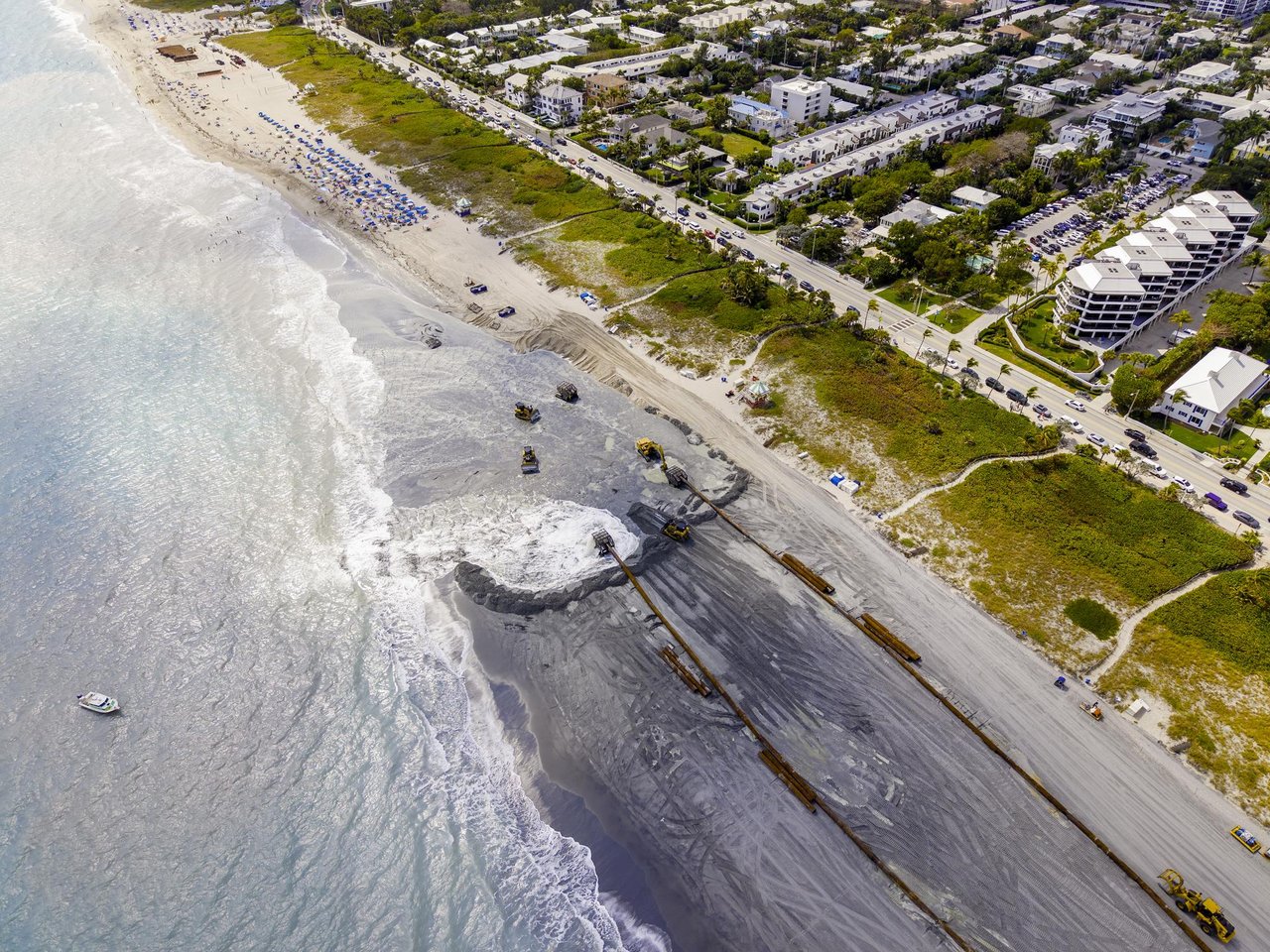
There is another major issue present with this cleanup and that is the sand. The EPA warns that aggressive mechanical removal can take sand along with the seaweed, adding to beach erosion and making large scale cleanup both expensive and environmentally complicated. Delray Beach has already undergone a Dune Renourishment plan back in January, so this would just take away from all of the work and money put towards that project. So the goal is not necessarily to remove every piece of sargassum. It is to manage unusually large accumulations without creating another coastal problem in the process.
If you have walked near a heavy pile of older sargassum, you already know the smell. As sargassum decomposes, it can release hydrogen sulfide, which produces the familiar rotten egg odor, as well as ammonia. Tiny marine organisms living within sargassum, including jellyfish larvae, can also cause skin irritation. Florida health officials note that open air beach conditions generally allow hydrogen sulfide to disperse and that typical beach exposure is not expected to harm most people. People with asthma or other respiratory conditions may be more sensitive and should avoid areas where large quantities are actively decomposing if they experience irritation.
This may be the most interesting part of the entire issue. Out in the Atlantic, sargassum is a floating ecosystem. It is a part of the natural cycle within the ocean and provides nourishment for certain species.
On the beach in excessive quantities, the same plant can become a problem. NOAA says offshore mats provide habitat and protection for hundreds of species. Yet once huge masses accumulate and decay near shore, they can reduce oxygen levels, affect water quality, create odors and interfere with recreation. It is a reminder that the issue is not really "seaweed versus no seaweed." It is how much arrives, where it arrives and how long it remains there. That is when the real problem emerges and we see the affects on the ecosystem.
Probably for this season's peak, but that does not mean the seaweed will suddenly disappear. Sargassum around South Florida is generally most active through the warmer months, and USF was still reporting continued beaching along southeast Florida in its July update. NOAA was continuing to publish daily inundation risk information into mid-August. Individual beach conditions will remain heavily dependent on wind direction, currents and tides. That means there may still be days when Delray's shoreline looks heavily affected, followed by days when conditions are dramatically better.
For those of us who live here, this summer has been a good reminder that coastal living comes with natural cycles. Some years bring rough surf. Some bring unusually clear water. Others bring larger amounts of sargassum.
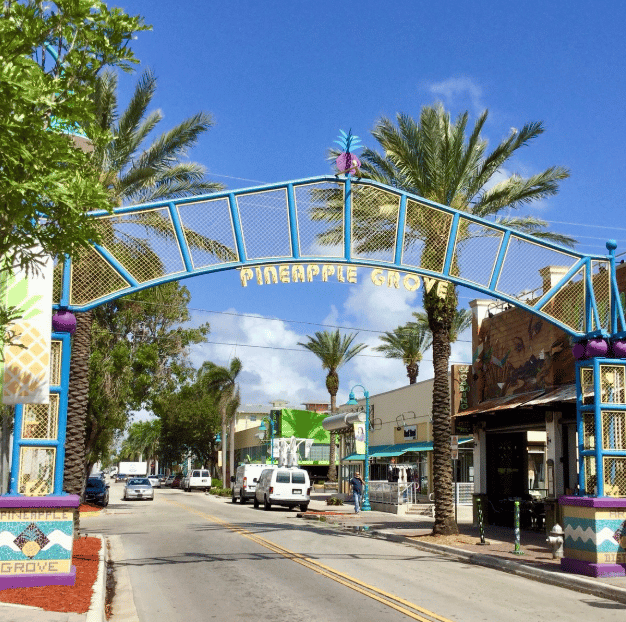
What makes Delray different from many beach towns is that the beach is only one part of the lifestyle. Atlantic Avenue, Pineapple Grove, restaurants, parks, boating, arts and the downtown core continue operating whether the ocean happens to be clear that particular afternoon or covered in brown seaweed. The sargassum covering parts of Delray Beach this summer is certainly noticeable, and 2026 has been an unusually significant year for it.
But it is also part of a much larger environmental story playing out across thousands of miles of Atlantic coastline. And judging by what scientists are seeing across the Atlantic, understanding sargassum may become an increasingly normal part of understanding summers in South Florida.
Thinking about buying, selling, or simply learning more about Delray Beach? Explore my Delray Beach neighborhood page for local real estate, homes for sale, market insights, and what makes each area unique. Click this link to learn more, https://sellssouthflorida.com/neighborhoods/delray-beach
-Geoff Braboy
(561)-699-3455
Stay up to date on the latest real estate trends.

Community
A Local Guide to Halloween Events, Trick-or-Treating, Family Activities, Neighborhood Ideas and Adult Halloween Plans Around Delray Beach
New Development
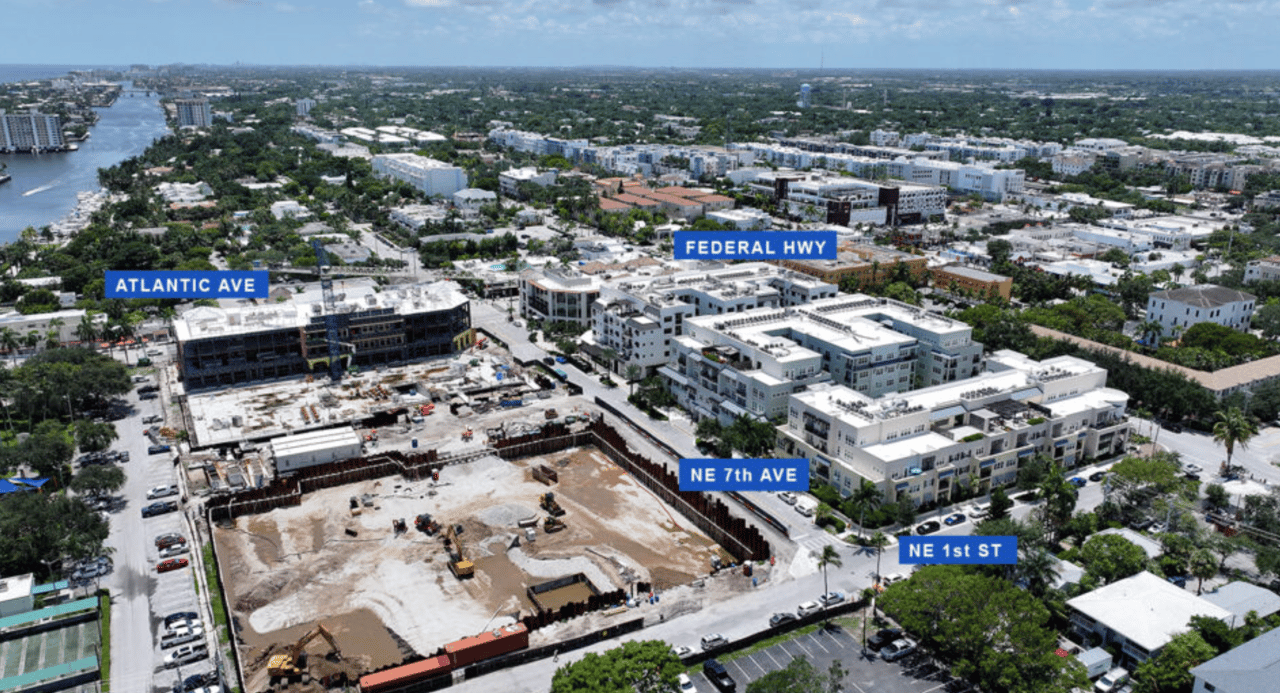
A Look at What is Complete, What is Under Construction, and How Atlantic Crossing is Changing the East End of Downtown Delray Beach
Atlantic Avenue
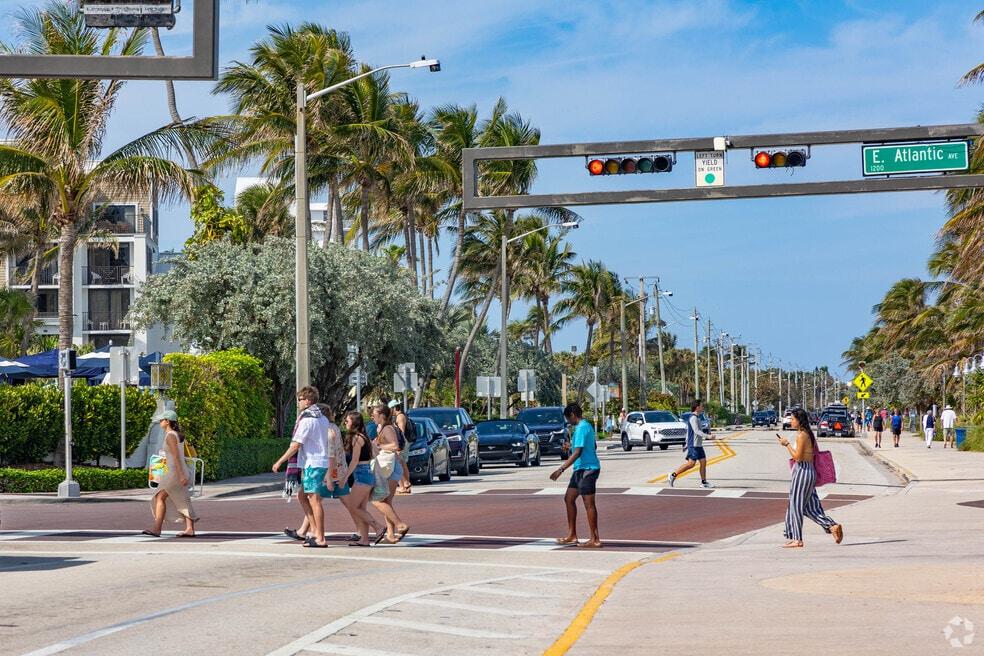
What "Walkable" Really Means When Buying a Home Near Downtown Delray Beach
Delray Beach
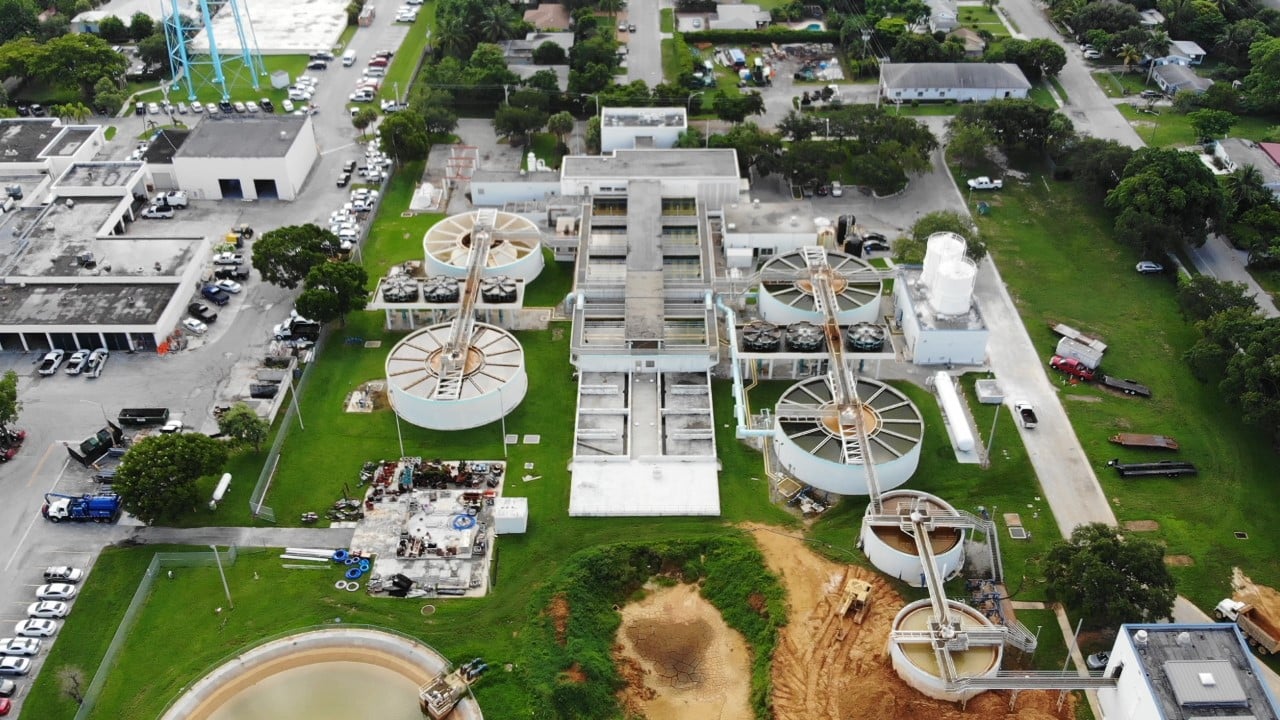
What the Nearly $300 Million Project Means for Water Quality, Utility Bills and Delray Beach's Long-term Infrastructure
Delray Beach
Why Beach Nourishment and Healthy Dunes Matter to the Coastline and the Real Estate Behind It
Atlantic Avenue
How Delray Beach's 2026 Sargassum Surge is Affecting the Coast, Beachgoers and Local Tourism
Pineapple Grove
How Pineapple Grove Became a Center for Art, Dining, Walkability, and Desirable Delray Beach Real Estate
Beach
Gated Living, Lake Ida Access, Strong Value, and a Location Minutes From Downtown Delray Beach Continue to Draw Serious Buyers to this Often Overlooked Neighborhood.
Beach
How Delray Beach Keeps its Close Knit Feel Through Local Traditions, Walkable Neighborhoods, Beachside Routines, and a Downtown That Still Brings People Together
If you're looking for a seasoned, dependable real estate agent in South Palm Beach County, He is your go-to professional. Let him help you navigate the Delray Beach real estate market with confidence.

403 N SWINTON AVE, DELRAY BEACH FL 33444